
How Technology Is Changing Visual Storytelling
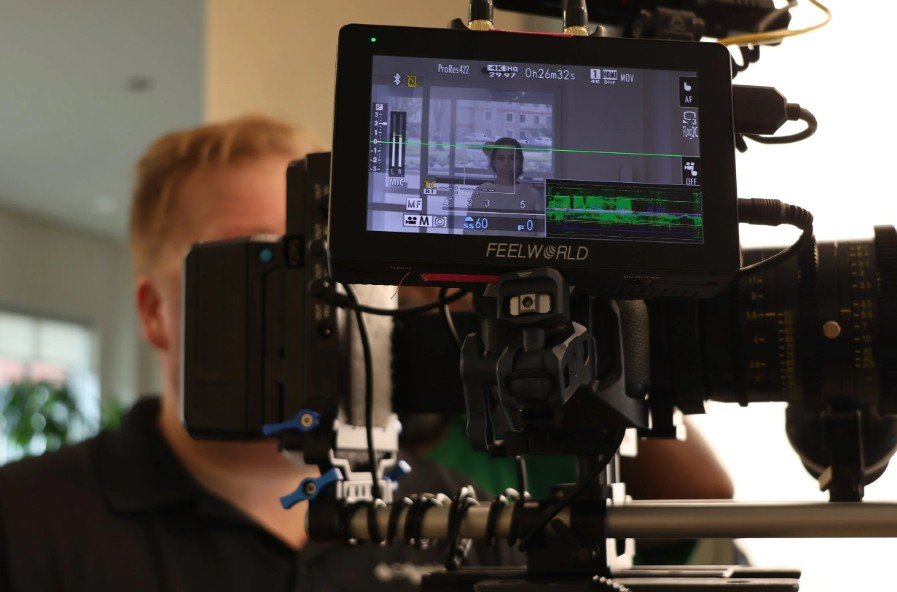
Visual storytelling has always depended on more than a striking image. A photograph, illustration or short film becomes a story when its details guide the viewer toward a feeling or idea. Today, digital tools have widened the ways artists can create that experience—and the ways audiences encounter it. For photographers and visual artists, the challenge is to use technology in service of the story, rather than letting the tools become the story themselves.
From Capture to Creation
In photography, the creative process now extends well beyond the moment the shutter is pressed. Editing software can balance colour, remove distractions or combine exposures, while mobile applications make it possible to organize and share work almost anywhere. These options can help a photographer express an intention more clearly, but they also call for thoughtful decisions. A retouch that supports the mood of a portrait is different from an edit that changes the meaning of a documentary image.
Digital illustration and 3D tools offer a similar range of choices. Artists can sketch, revise and test compositions without committing to a single physical version. A designer might build a virtual scene to explore lighting before a shoot, or an illustrator might use digital layers to create depth and movement. The value lies not in using every available feature, but in choosing the ones that make an idea easier to see.
New Ways to Tell a Story
Technology has also expanded the format of visual narratives. A photo essay can combine still images with captions, audio or short video. A gallery website can let visitors move through a series at their own pace, while animation can reveal a process that a static image cannot show. These formats invite audiences to spend time with a subject and notice connections between individual frames.
That flexibility makes planning especially important. Before choosing a platform or tool, creators can ask what the audience should understand, what emotion the work should leave behind and how much context the subject needs. A concise sequence of photographs may have more impact than a complicated interactive feature. In other cases, sound or motion may be essential to the story. Form works best when it grows from the subject.
Keeping the human point of view
As image-making tools become more capable, audiences may also wonder how a picture was made. In documentary and news photography, transparency about substantial edits or composites can help preserve trust. In fine art, experimentation may be part of the work, but clarity about the artist’s intention still matters. The technology does not remove the creator’s responsibility for the choices made along the way.
Sharing Work Beyond the Studio
Publishing has become part of the creative process. Artists can present projects on their own websites, contribute to online magazines or write about the decisions behind a body of work. A thoughtful article can give readers useful context: how a location shaped a series, why a particular lighting approach was chosen or what a visual detail reveals about the subject. The images remain central, while the writing opens another route into them.
For technology-focused stories, researching suitable publications is one practical step. iCopify’s technology listings include more than 5,000 websites and blogs that accept guest articles, giving writers a starting point for finding outlets whose audiences may be interested in creative tools, software or digital production. A relevant fit matters more than a large list: the publication’s subject, readership and editorial standards should all make sense for the piece.
Some projects also call for skills beyond the creator’s own. A photographer may need help with a portfolio site, a motion editor for a short visual essay, or a writer to shape accompanying captions. Marketplaces such as Osdire bring together freelancers across categories including photography, graphics and design, video, programming and writing. Its flat pricing and payment held until a buyer approves delivered work can make the terms of a small project easier to understand before it begins.
Making Digital Work Accessible
Reaching an audience also means making visual work usable for people with different needs and devices. Descriptive alt text can convey the purpose of an image to someone using a screen reader. Captions can add essential context, while transcripts make spoken content available in another form. Good contrast, readable type and pages that work on mobile screens help viewers stay with the story instead of struggling with its presentation.
These details are not separate from creative practice. Writing useful image descriptions requires attention to what matters in a frame; choosing a clear sequence asks the artist to understand how one image leads into another. Accessibility can prompt creators to articulate those choices and make a project more welcoming without diminishing its visual character.
Conclusion
Digital tools have made visual storytelling more flexible, collaborative and widely shareable. They help artists test ideas, combine media and bring work to new readers, but they cannot decide what is worth showing or why. That remains a human task. When technology supports a clear point of view—and when creators give care to context, craft and audience—it can help images communicate with greater reach and intention.